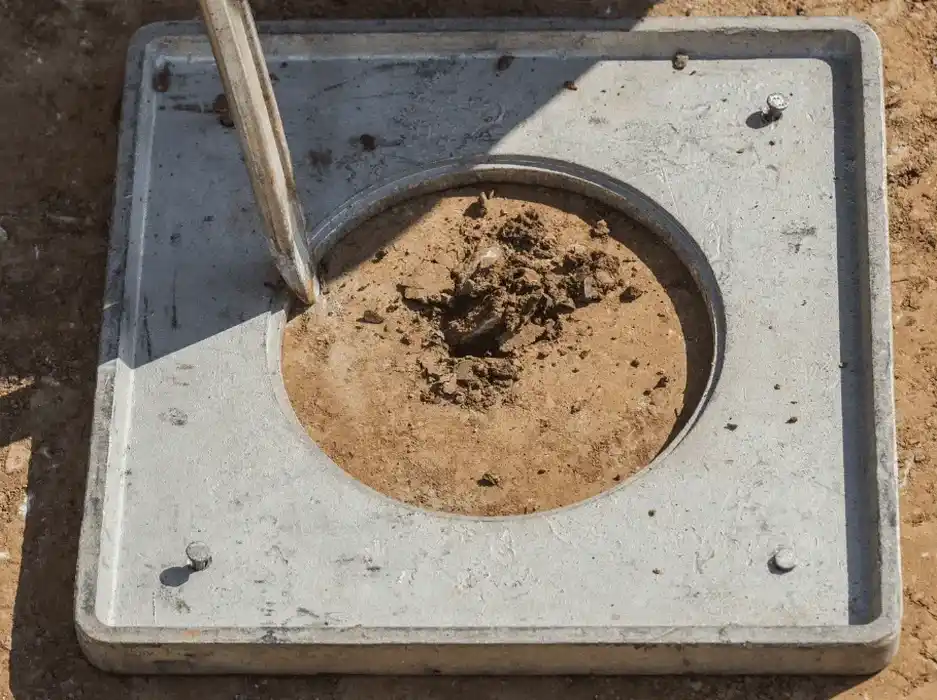
Birmingham grew up fast on the back of steel, and that industrial boom left a legacy of mixed fills and altered terrain that still surprises developers today. The city sits in a tricky spot geologically, right where the Valley and Ridge meets the Piedmont, and a lot of the flat ground near downtown and along Village Creek is old alluvium or man-made fill. When you add the Alabama seismic hazard—yes, the Eastern Tennessee Seismic Zone is real, and the 2003 Fort Payne quake rattled windows here—you start to see why a soil liquefaction analysis isn't just a box to check. It's about understanding whether saturated sandy layers under your site could lose all strength during shaking, something the IBC now requires for structural design categories C and above. Before you pour a slab or drive piles, we combine SPT blow counts from our SPT drilling or CPT testing with grain-size data to calculate the factor of safety against liquefaction. The result tells you if your foundation design needs to account for sudden loss of bearing, lateral spreading, or post-liquefaction settlement.
Liquefaction isn't just a West Coast problem—Alabama's seismic history and loose valley fills create real risk that standard site class assumptions miss entirely.
Common questions
Does Birmingham really have enough seismic risk to worry about liquefaction?
Yes. While Alabama isn't California, the Eastern Tennessee Seismic Zone has produced events up to M4.9 near Fort Payne, and the USGS hazard maps show PGA values of 0.10-0.15g for the Birmingham area at the 2% in 50-year probability. Combined with shallow groundwater and loose alluvial sands in the valleys, that's enough to trigger liquefaction in susceptible soils. IBC 2021 requires liquefaction assessment for seismic design categories C and above, which covers most commercial construction.
What does a liquefaction analysis in the Birmingham area typically cost?
How long does it take to get results?
Fieldwork typically takes two to three days for a standard commercial lot. Lab testing runs about a week for grain size and Atterberg limits, or up to three weeks if cyclic triaxial testing is needed. You'll have a preliminary screening within 24 hours of completing the field investigation, so the structural team can start working while the full report is finalized.
Can you work with the geotechnical data we already have?
If you have recent SPT borings or CPT logs with groundwater measurements and lab grain-size data, we can often perform the liquefaction analysis without additional fieldwork. We'll review what you have, tell you if it meets the standard of practice for the IBC, and only recommend new investigation if there are gaps. That saves time and keeps your project moving.